








Solutions For The Aircraft Painting Process
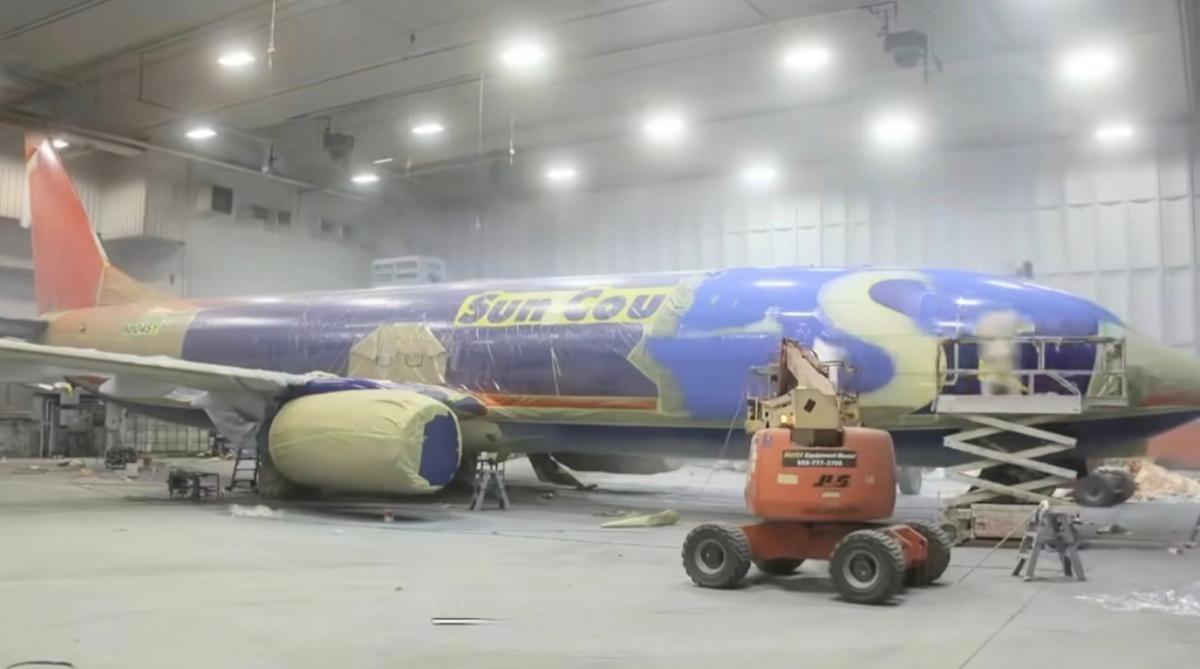
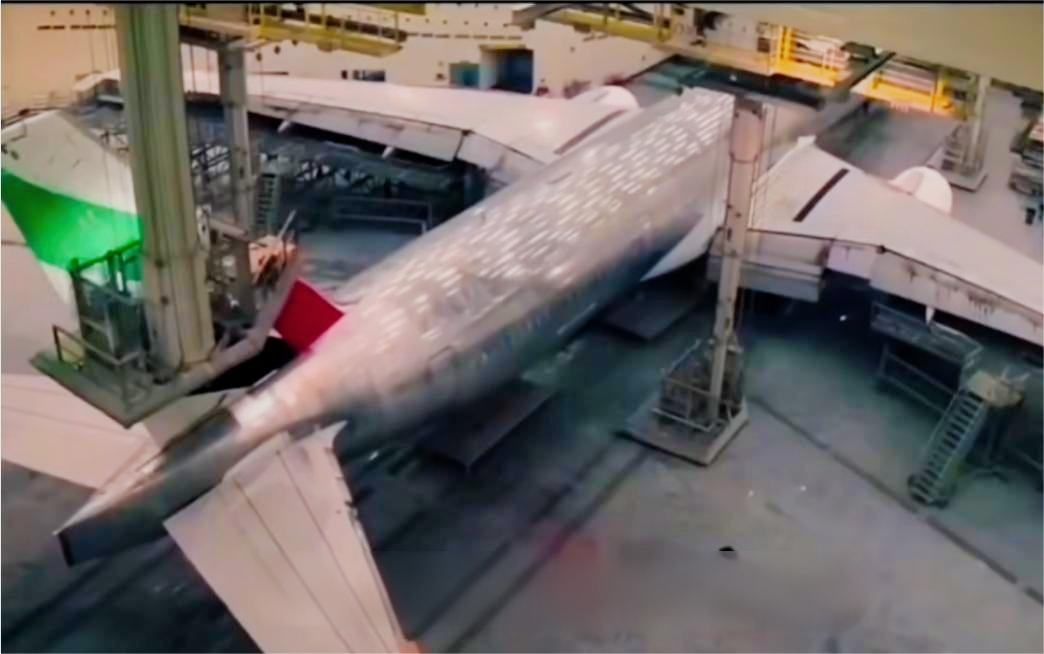
The aircraft painting process begins with masking and covering, where areas that must not be painted are protected. This includes emergency markings, antennas, ventilation ports, national registration numbers, and other sensitive components. Next, the surfaces to be painted undergo thorough cleaning to remove contaminants. This step is crucial as it significantly reduces the amount of paint stripper required later in the process.
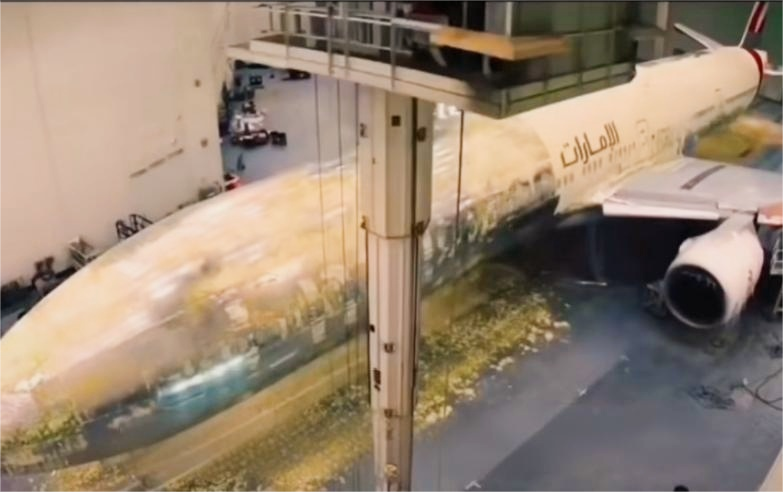
Following preparation is paint removal (stripping). There are two primary methods: mechanical sanding and chemical stripping. Mechanical sanding is labor-intensive, time-consuming, and generates considerable dust, requiring stringent protective measures. Therefore, chemical stripping is often the preferred method. However, chemical strippers have strict mixing ratios and application procedures; any deviation can render the effort ineffective.
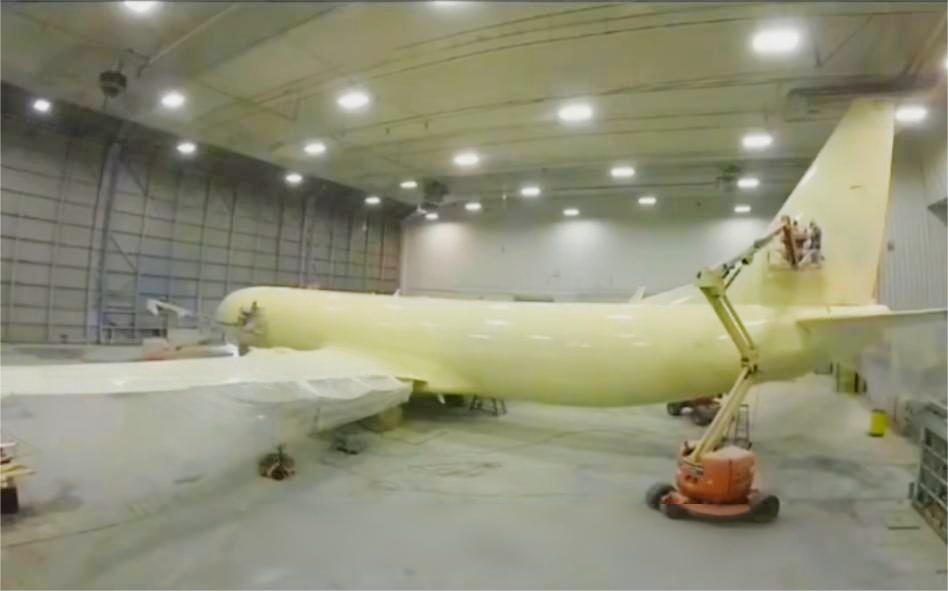
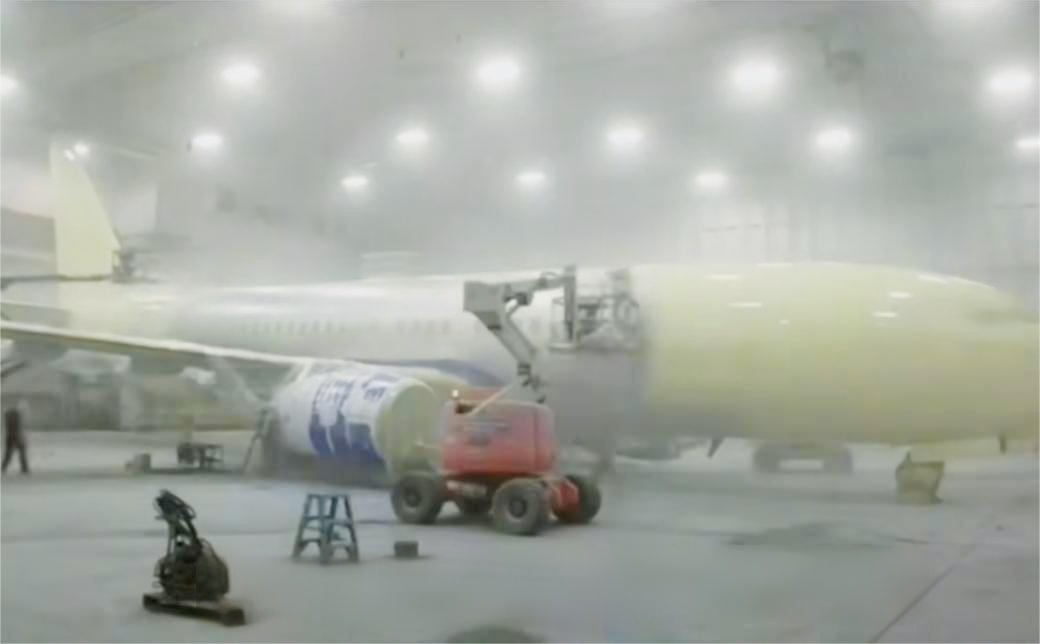
Once stripping is complete, the painting stage begins. Similar to putting on layers of clothing, aircraft paint is applied in multiple coats: a primer (inner layer), a base coat (middle layer), and a top coat (outer layer). Because multiple layers are applied, the total paint thickness is strictly regulated by standards. This control is essential to minimize added weight to the airframe and reduce fuel consumption.
So, how is paint thickness controlled during application? Key factors include:
Maintaining a consistent spray distance between the gun and the surface.
Regulating the pressure and flow of the spray air.
Ensuring the spray gun moves at a uniform speed across the surface.A steady, controlled motion is fundamental for achieving a compliant and consistent paint finish.
Relevant Products

Latest Company News
Real-Time Updates On Industry Hotspots And Company News, Helping You Seize More Opportunitios.